
01Groin
Inguinal Hernia
The most common type. Tissue pushes through the inguinal canal in the groin, usually showing as a bulge near the groin crease that grows when you stand or strain. More common in men, and it affects women too.
Understand your hernia.
Feel clear about your next step.
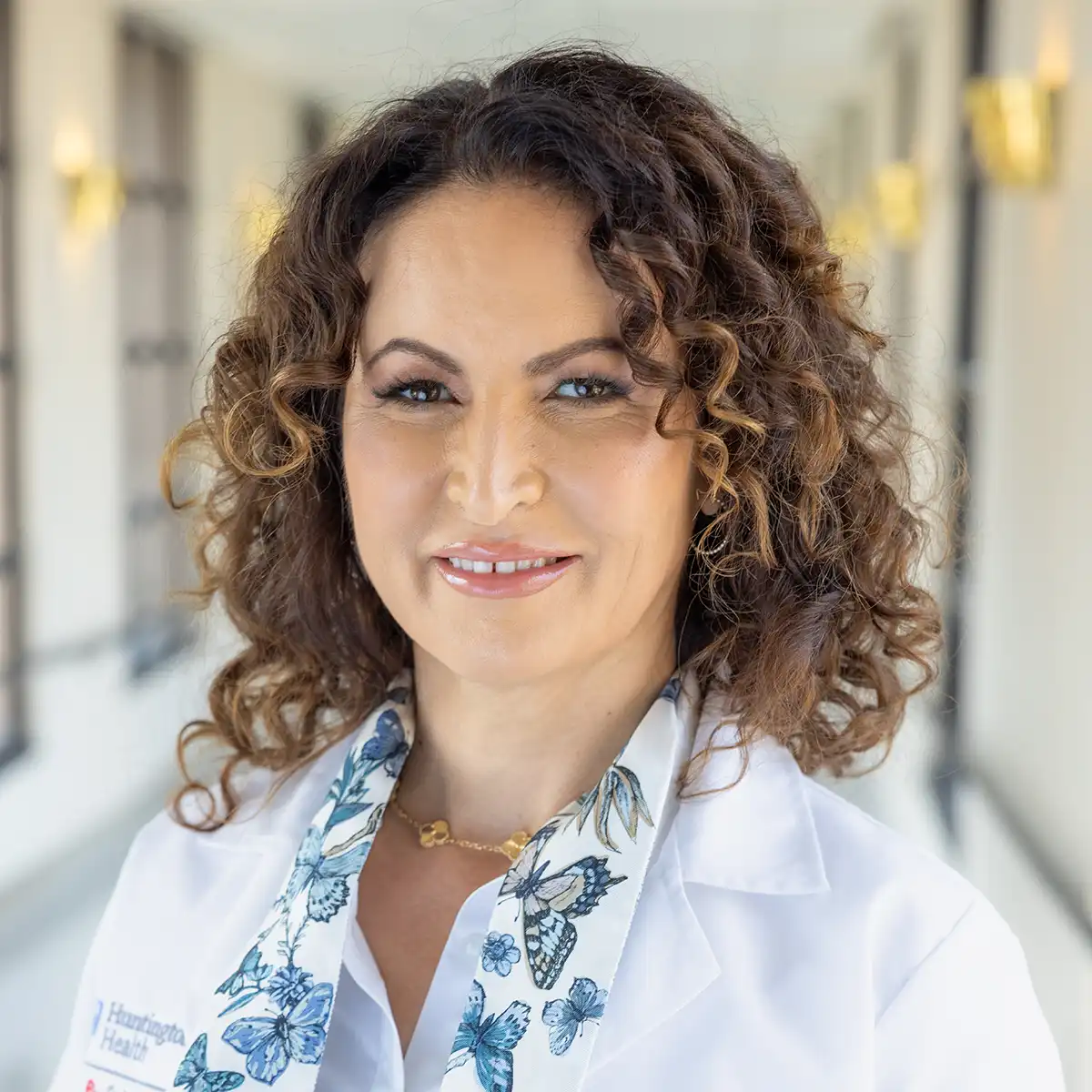
A bulge, an ache, or a new diagnosis raises a lot of questions. Dr. Amal Obaid-Schmid tells you what kind of hernia you have, whether you need surgery, and which repair fits your life.
Start at our Henderson clinic. If you need surgery, your repair is scheduled at West Henderson Hospital, and Dr. Obaid-Schmid stays with you through recovery.
Open, laparoscopic & robotic-assisted repair
01A clear diagnosisUnderstand your symptoms and options.
02A repair plan for youThe approach that fits your hernia and health.
03The same surgeon throughoutFrom consultation to follow-up care.
01 Recognizing a hernia
A hernia happens when tissue, often part of the intestine or abdominal lining, pushes through a weak spot in the muscle wall. Symptoms depend on where it forms.
You don’t need to self-diagnose. Walk in to Elite Rapid Care’s main Henderson clinic for an initial evaluation of a suspected hernia, no appointment needed. We then coordinate your surgical consultation with Dr. Obaid-Schmid.
Walk-in evaluation is at the main clinic. Hernia repair is scheduled in advance at West Henderson Hospital.
A lump that grows when you stand, cough, strain, or lift, and often flattens when you lie down.
Discomfort in your groin, belly button, upper abdomen, or an old surgical scar.
Hiatal hernias often cause reflux or heartburn. Athletic pubalgia causes groin pain without a typical bulge.
02 Understanding your diagnosis
Location matters. Dr. Obaid-Schmid evaluates every hernia type below and explains how your diagnosis affects your options and how soon to act.
The most common type. Tissue pushes through the inguinal canal in the groin, usually showing as a bulge near the groin crease that grows when you stand or strain. More common in men, and it affects women too.
Tissue pushes through the abdominal wall near the belly button. Adults often develop it after pregnancy or with extra pressure on the abdomen. Unlike infant umbilical hernias, adult hernias don't close on their own.
A hernia anywhere in the abdominal wall. Umbilical, incisional, and epigastric hernias are all ventral hernias, listed separately here because location and history shape the repair plan. Size and complexity set the approach and recovery.
Forms at a previous surgical incision where the abdominal wall never fully regained its strength. Because that tissue is already weakened, repeat repairs call for extra planning to lower the chance of recurrence.
Part of the stomach pushes up through the diaphragm into the chest. Closely tied to acid reflux and heartburn. Many are managed with medication first, and surgery is an option for persistent or severe cases.
Tissue pushes through the femoral canal at the top of the thigh, near the groin. More common in women and more likely to become trapped (incarcerated) or lose its blood supply (strangulated), so prompt evaluation matters.
A ventral hernia along the midline of the upper abdomen, between the belly button and breastbone. Its upper-abdominal symptoms can feel like indigestion.
A soft-tissue strain or tear in the groin or lower abdomen, common in athletes who twist and cut. A true hernia isn't always present. Rehabilitation usually comes first, so an accurate diagnosis shapes the plan.
Explore sports injury careNot sure which type you have? Your evaluation answers that.
03 Your repair options
Your hernia type, size, previous surgery, health, and recovery goals decide which repair fits best.
A direct approach
One incision gives the surgeon direct access to the hernia. The tissue goes back into place and the weak area is reinforced. Open repair fits larger or more complex hernias, prior surgery, and some health factors.
Small incisions. Camera guidance.
Several small incisions let the surgeon repair the hernia with a camera and fine instruments. For suitable patients it means less soreness and a quicker return to daily life than open surgery.
Technology guided by your surgeon
The surgeon controls robotic instruments during a minimally invasive repair, with a magnified 3D view and a wide range of motion. It suits selected cases. The surgeon is in control throughout.
An informed decision
Mesh reinforces weakened tissue and lowers the chance of the hernia coming back. It is used in many repairs, while some smaller hernias are repaired with sutures alone.
Dr. Obaid-Schmid recommends what fits your hernia and health history, and explains the options.
Risks, in brief
Hernia repair is one of the most frequently performed operations in general surgery, and serious complications are uncommon.
04 Consultation to recovery
Your evaluation and follow-up happen at Elite Rapid Care. Your surgery is scheduled at West Henderson Hospital, which provides the operating room and anesthesia team.
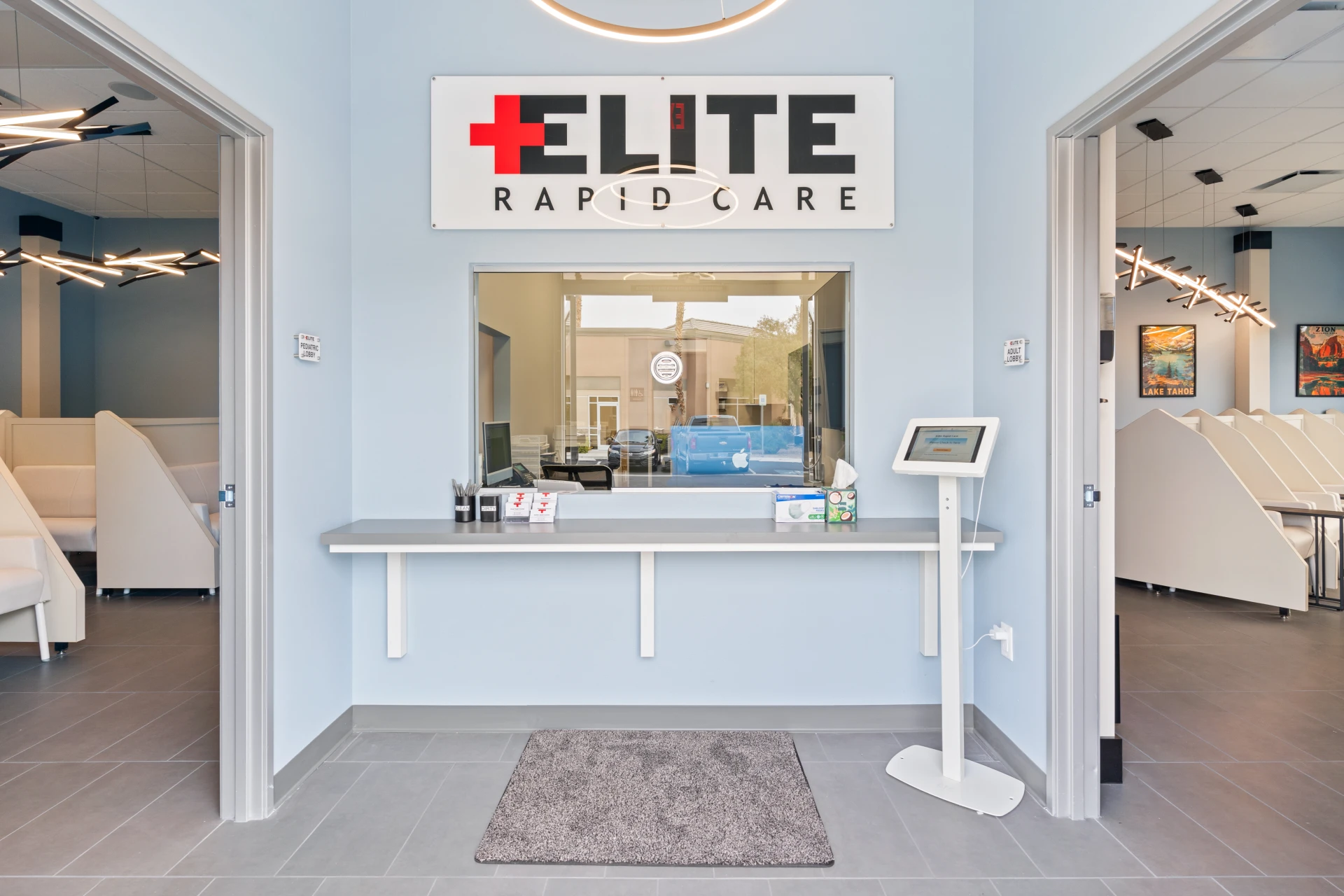
Elite Rapid Care
Dr. Obaid-Schmid reviews your symptoms, history, and prior imaging, then examines you. Imaging or labs are arranged if needed. You leave with a diagnosis, a recommended approach, and a timeline.
West Henderson Hospital
Surgery is scheduled in advance at West Henderson Hospital with Dr. Obaid-Schmid. Before surgery day, the team walks you through preparation, including fasting and medication changes. Most inguinal and umbilical repairs are outpatient, so you go home the same day.
A plan for your daily life
After laparoscopic or robotic repair, many patients are back to desk work and light activity within 1 to 2 weeks. Open repair often takes 2 to 4 weeks. Heavy lifting and strenuous exercise usually wait 4 to 6 weeks. Larger and incisional hernias take longer.
Back at Elite Rapid Care
You return to our Henderson clinic to see Dr. Obaid-Schmid. She checks your healing, answers questions, and clears you for work, driving, and exercise.
05 Insurance & cost
Most plans cover medically necessary hernia repair. We accept the same insurance plans and self-pay options as our main clinic, and coverage depends on your plan, diagnosis, and where surgery takes place.
Because repair happens at West Henderson Hospital, your cost can include hospital and anesthesia fees as well as the surgeon’s. Our team verifies your benefits and reviews expected costs with you before you schedule. Self-pay patients are welcome.
Call (725) 291-5900 about coverage06 Meet your surgeon
General Surgeon · Medical Director
Dr. Obaid-Schmid trained at UCLA, USC, and UC Irvine and has more than 20 years of experience in general surgery and surgical critical care, serving patients across Nevada.
She repairs hernias with open, laparoscopic, and robotic-assisted techniques and picks the one that fits your hernia and health. You meet her at your consultation, and she performs your repair and follows up with you afterward.
Other surgical services
Learn about gallbladder surgery at West Henderson Hospital, or skin lesion evaluation, removal, and biopsy at our Henderson clinic.
07 Questions, answered
Common questions about hernia repair, recovery, and care at Elite Rapid Care.
Still have a question? Call our teamThe most common are inguinal (groin), umbilical (belly button), ventral (any abdominal-wall hernia), incisional (at a prior surgical scar), hiatal (stomach pushing into the chest), femoral (upper thigh and groin), and epigastric (upper midline abdomen). Umbilical, incisional, and epigastric hernias are all types of ventral hernia. Sports hernia, or athletic pubalgia, is a groin soft-tissue injury that may occur without a true hernia. An accurate diagnosis comes first.
Adult abdominal-wall hernias don't heal on their own, so repair is usually recommended when a hernia is painful, growing, or getting in the way of daily life. Small hernias with few symptoms can sometimes be monitored. Hiatal and sports hernias follow different treatment paths, and surgery isn't always needed. Dr. Obaid-Schmid bases the recommendation on your diagnosis, symptoms, and health.
Open repair uses one incision near the hernia. Laparoscopic repair uses several small incisions and a camera. Robotic-assisted repair is a minimally invasive approach in which the surgeon controls the instruments through a robotic system. Dr. Obaid-Schmid recommends the approach that fits your hernia type, size, prior surgery, and health.
No. Mesh reinforces weakened tissue and lowers the chance of the hernia coming back, so it's used in many repairs. Some smaller hernias are repaired with sutures alone. Dr. Obaid-Schmid explains whether mesh makes sense for you, and which type, at your consultation.
Hernia repair is one of the most common operations in general surgery, and serious complications are uncommon. Possible risks include pain, infection, bleeding, fluid buildup (seroma), recurrence, and reactions to anesthesia. Mesh adds a small chance of long-term discomfort or mesh-related problems. Dr. Obaid-Schmid reviews how these apply to you before you decide.
Most inguinal and umbilical repairs are outpatient, so you go home the same day. After laparoscopic or robotic repair, many patients return to desk work and light activity within 1 to 2 weeks. Open repair often takes 2 to 4 weeks. Most patients avoid heavy lifting and strenuous exercise for about 4 to 6 weeks, and large or incisional hernias can take longer. Dr. Obaid-Schmid gives you a plan for work, driving, and exercise after your procedure.
Your consultation and follow-up visits happen at our Henderson clinic. Hernia repair is scheduled in advance at West Henderson Hospital with Dr. Obaid-Schmid. You can walk in to the main clinic for an initial evaluation of a suspected hernia.
She reviews your symptoms, medical history, and any prior imaging, then performs a physical exam. Imaging or lab work can be arranged if needed. You leave knowing your diagnosis, whether repair or monitoring is the right call, the recommended approach, whether mesh is part of the plan, and when surgery could be scheduled.
Go to the nearest emergency room or call 911 if your hernia becomes hard, discolored, or very painful, or can't be pushed back in. Also go if you have fever, vomiting, a swollen or rigid abdomen, severe cramping with no gas or stool, chest pain or pressure, trouble breathing, vomit that contains blood, or black stools. These can mean trapped tissue, lost blood supply, or a bowel obstruction. Don't try to force a painful bulge back in.
Most plans cover medically necessary hernia repair, but your cost depends on your plan, diagnosis, repair approach, and the hospital and anesthesia providers involved. Elite Rapid Care accepts the same insurance plans and self-pay options as our main clinic. Our team verifies your benefits and reviews expected costs before you schedule surgery.
Your next step
You don’t have to work out your diagnosis, pick a repair, or handle hospital scheduling alone. Start with a conversation with Dr. Obaid-Schmid and the Elite Rapid Care team.
2960 Sunridge Heights Pkwy, Suite 100 · Henderson, NV 89052
Looking for non-surgical care or an initial evaluation? Visit our main clinic’s urgent care page
This page is for general information and is not a substitute for professional medical advice, diagnosis, or treatment. Talk with a qualified healthcare provider about your symptoms and options.
If you think you have a medical emergency, go to the nearest emergency department or call 911.