Surgeon-led gallbladder care Henderson, Nevada
One surgeon. Every step.

Gallbladder Surgery (Cholecystectomy) in Henderson, NV

Gallstones. Questions.
A clearer next step.

Dr. Amal Obaid-Schmid helps you understand your symptoms and decide whether surgery is right for you. Consultation and follow-up at Elite Rapid Care. Surgery at West Henderson Hospital. The same surgeon throughout.

Laparoscopic, robotic-assisted & open cholecystectomy

Severe pain, fever, yellow skin or eyes, or repeated vomiting means go to the ER. See the warning signs

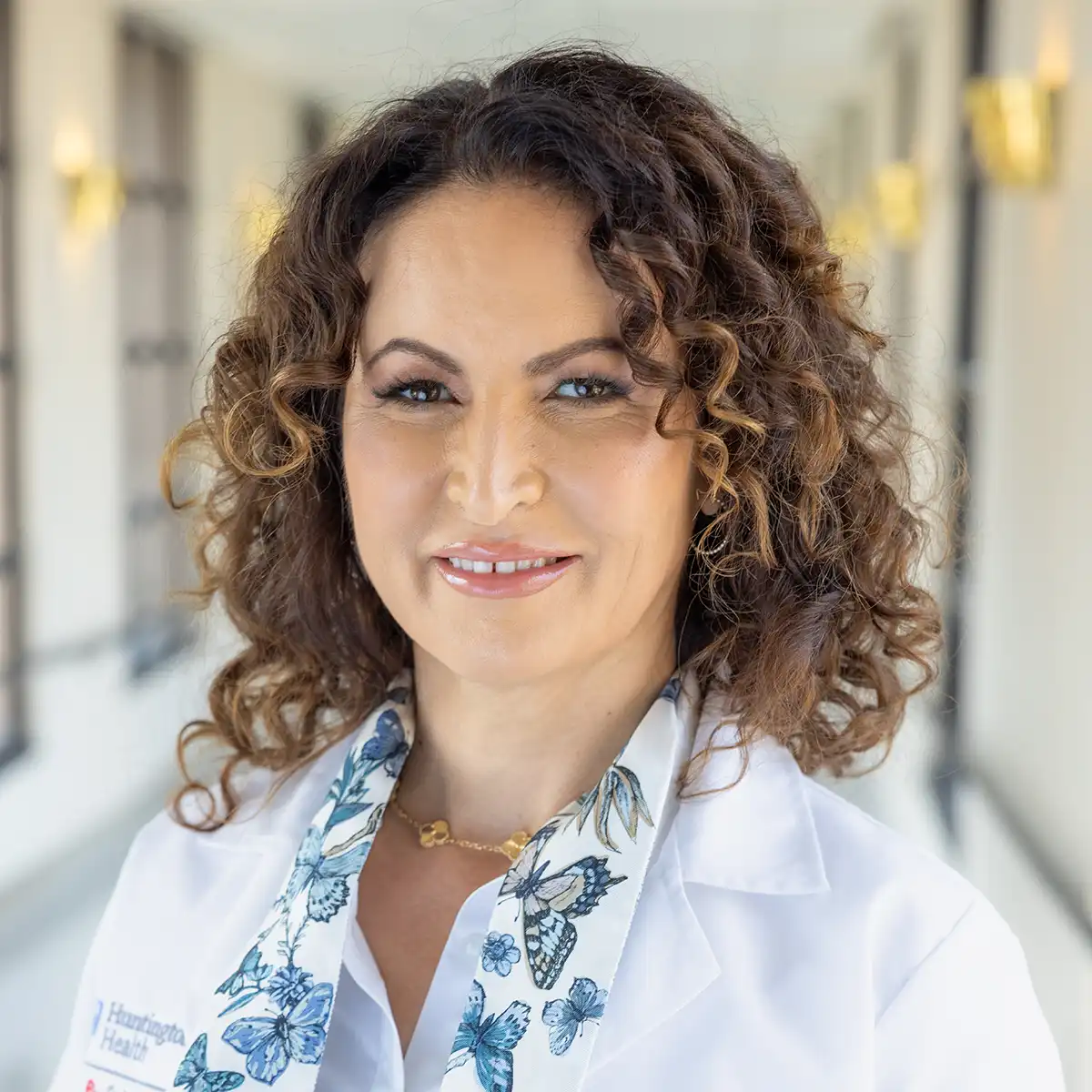
Dr. Amal Obaid-Schmid, general surgeon at Elite Rapid Care
Dr. Amal Obaid-Schmid, MDGeneral Surgeon · Elite Rapid Care
↗

01 Understanding the procedure

What is gallbladder
surgery?

Cholecystectomy is the surgical removal of the gallbladder.

Your gallbladder is a small organ under your liver that stores bile, which helps you digest fat. Gallstones are hardened deposits that form inside it. When a stone blocks bile flow, it can cause pain, inflammation, or infection.

What changes after removal?

Your liver keeps making bile, and it flows straight into the small intestine. Most people eat and live normally without a gallbladder, though digestion can take a few weeks to settle.

Removal is a common, effective treatment for gallstones that cause symptoms or complications.

Digestive discomfort has many causes. Our GI care team can evaluate symptoms that need a different kind of treatment.

02 Your symptoms matter

Gallstones do not
look the same for everyone.

Your symptoms, how they behave, and what imaging shows together tell your surgeon what care you need.

01 When gallstones cause symptoms

Recurring pain or a
gallbladder attack

Pain in the upper right or center of your abdomen, often after a heavy or fatty meal, is a classic sign of gallstones. It can spread to your back or right shoulder and come with nausea. This pattern is called biliary colic.

Attacks tend to return even after an episode settles. Other conditions cause similar pain, so get it assessed. See the warning signs above for when to go to the ER.

02 When imaging finds stones

Silent gallstones.
An individual decision.

Stones found on a scan with no symptoms usually need no treatment. Exceptions your surgeon will discuss: sickle cell disease, stones larger than 3 cm, gallbladder polyps larger than 1 cm, a calcified (“porcelain”) gallbladder, or a planned organ transplant.

Bring prior scan results to your consultation so Dr. Obaid-Schmid can tell you whether to monitor or treat.

Where should your evaluation start?

Not sure if you need surgery?

Start with an evaluation. You don’t need to diagnose yourself first.

Walk in to Elite Rapid Care’s main Henderson clinic for an initial evaluation of suspected gallbladder symptoms. We then coordinate your surgical consultation. Gallbladder removal itself is scheduled in advance at West Henderson Hospital.

Visit Elite Rapid Care

03 Your surgical options

Three approaches.
One decision about you.

Dr. Obaid-Schmid offers laparoscopic, robotic-assisted, and open cholecystectomy. Your anatomy, prior surgery, health, and the amount of inflammation guide the recommendation.

01

Laparoscopic

Small incisions. Camera guidance.

Several small incisions let the surgeon remove the gallbladder with a camera and fine instruments. It is the most common approach and, for suitable patients, means a shorter hospital stay and quicker recovery than open surgery.

02

Robotic-assisted

Instruments controlled by your surgeon

The surgeon controls robotic instruments during a minimally invasive procedure, with a magnified 3D view and a wide range of motion. It suits selected patients, and the surgeon is in control throughout.

03

Open surgery

Direct access for complex cases

One larger incision gives direct access to the gallbladder. It is used when inflammation, infection, or scarring makes a minimally invasive approach difficult. Recovery takes longer.

Risks, in brief

Cholecystectomy is one of the most commonly performed operations in the United States, and complications are uncommon. As with any surgery, risks include bleeding, infection, bile leakage, injury to the bile duct or nearby organs, and reactions to anesthesia. Dr. Obaid-Schmid reviews how they apply to you before you decide.

04 Meet your surgeon

Dr. Amal
Obaid-Schmid, MD

General Surgeon · Medical Director

Dr. Obaid-Schmid trained at UCLA, USC, and UC Irvine and brings more than 20 years of experience in general surgery and surgical critical care to Henderson and the greater Las Vegas Valley.

She removes gallbladders laparoscopically, robotically, or through open surgery, whichever fits your case. She reviews your symptoms and imaging, operates at West Henderson Hospital, and sees you for follow-up at Elite Rapid Care.

05 Consultation to follow-up

Two settings.
One connected
care team.

Your consultation and follow-up happen at Elite Rapid Care. Your surgery is scheduled at West Henderson Hospital.

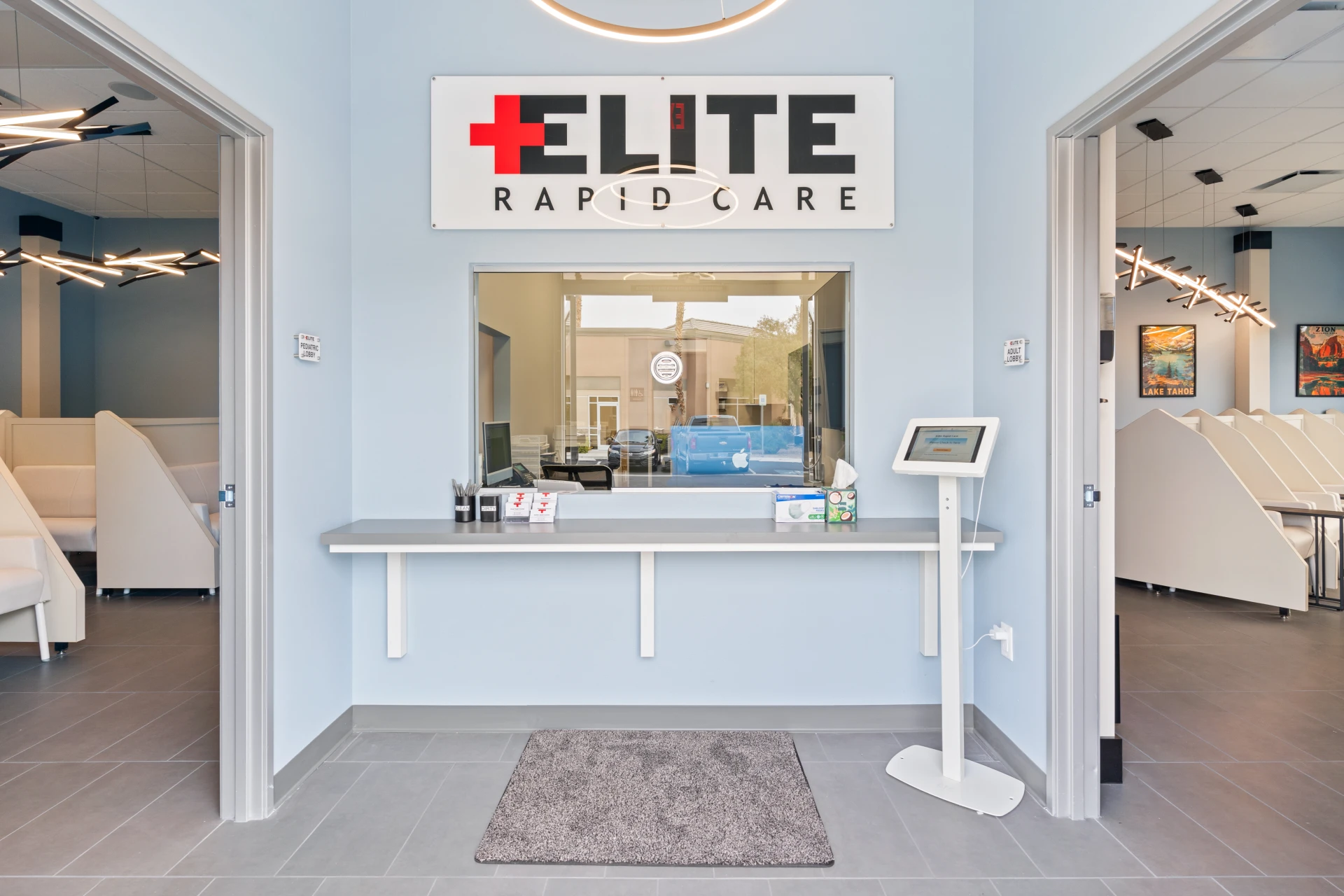
Reception at Elite Rapid Care’s Henderson clinic
Your starting point: Elite Rapid Care, Henderson.
  1. 01

    Elite Rapid Care

    Your consultation

    Dr. Obaid-Schmid reviews your symptoms, history, and prior imaging, then examines you. Imaging or labs are arranged if needed. You leave with a diagnosis, a recommended approach, and a timeline.

  2. 02

    A plan before surgery day

    Preparation and scheduling

    Surgery is scheduled in advance at West Henderson Hospital. Your team explains fasting and medication changes and what help you will want at home. Keep taking your prescribed medicines unless your team tells you otherwise.

  3. 03

    West Henderson Hospital

    Your procedure

    Dr. Obaid-Schmid removes your gallbladder at the hospital, with the hospital team handling anesthesia and immediate recovery. Most laparoscopic patients go home the same day or after one night.

  4. 04

    Back at Elite Rapid Care

    Your follow-up

    You return to our Henderson clinic to see Dr. Obaid-Schmid. She checks your healing, answers diet and digestion questions, and clears you for work, driving, and exercise.

06 Recovery & diet

Getting back to
your everyday life.

These are typical timelines after laparoscopic surgery. Dr. Obaid-Schmid adjusts them for your health, your procedure, and your job.

Your recovery at a glance

  1. 01

    Day 0–2

    Rest and gentle walking

  2. 02

    Week 1–2

    Back to desk work and light activity

  3. 03

    Weeks 2–4

    Lifting and exercise return gradually

  4. 04

    Diet

    Most people return to a normal, balanced diet

Open surgery usually means a 2 to 4 day hospital stay and about 4 to 6 weeks to recover.

The first days

Rest, gentle movement,
and support at home.

Most laparoscopic patients go home the same day or after one night. Incision soreness is normal, and some people feel temporary shoulder discomfort from the gas used during surgery.

Your team explains pain relief and wound care before you leave. Arrange a ride home. Short walks are encouraged, and heavy lifting waits.

The first weeks

Build activity gradually.

Many patients are back to desk work and light activity within 1 to 2 weeks. Heavier lifting, exercise, and physical jobs usually resume at 2 to 4 weeks.

Dr. Obaid-Schmid clears you for each activity at your follow-up visit.

Eating after gallbladder removal

Will I have to follow a special diet forever?

Usually, no.

Most people return to a normal, balanced diet. Smaller meals help in the first few days, and some people notice looser stools or discomfort after greasy meals while digestion adjusts.

If digestion isn’t settling, our team can help.

07 Insurance & cost

Understand the cost.
Before you schedule.

Most plans cover medically necessary gallbladder removal. We accept the same insurance plans and self-pay options as our main clinic, and coverage depends on your plan, diagnosis, and where surgery takes place.

Because surgery happens at West Henderson Hospital, your cost can include hospital and anesthesia fees as well as the surgeon’s. Our team verifies your benefits and reviews expected costs with you before you schedule. Self-pay patients are welcome.

Call (725) 291-5900 about coverage

08 Questions, answered

A little more clarity.
A little less worry.

Common questions about gallbladder surgery, recovery, and care at Elite Rapid Care.

How do I know if I need gallbladder surgery?

Surgery is usually recommended when gallstones cause repeated pain or complications such as gallbladder inflammation or a blocked bile duct. Stones found on imaging with no symptoms usually need no treatment, with a few exceptions: sickle cell disease, stones larger than 3 cm, gallbladder polyps larger than 1 cm, a calcified ("porcelain") gallbladder, or a planned organ transplant. Dr. Obaid-Schmid reviews your symptoms, imaging, and health history before recommending anything.

Laparoscopic vs. robotic vs. open: what is the difference?

Laparoscopic cholecystectomy uses several small incisions and a camera, and it is the most common approach. Robotic-assisted surgery is a minimally invasive approach in which the surgeon controls the instruments through a robotic system. Open surgery uses one larger incision and is used for severe inflammation or scarring, or when safety calls for it. Dr. Obaid-Schmid recommends the approach that fits your anatomy, symptoms, and health.

Does Elite Rapid Care perform gallbladder surgery, or refer out?

We perform it. Dr. Amal Obaid-Schmid, MD evaluates you at Elite Rapid Care and removes your gallbladder at West Henderson Hospital when surgery is the right call. Surgery is scheduled in advance, and your consultation and follow-up visits are at our Henderson clinic. You can start with a walk-in evaluation at the main clinic.

Who is the surgeon for gallbladder removal?

Dr. Amal Obaid-Schmid, MD. She trained at UCLA, USC, and UC Irvine and has more than 20 years of experience in general surgery and surgical critical care. She performs laparoscopic, robotic-assisted, and open surgery, and sees you for follow-up at the Henderson clinic.

Which hospital is gallbladder surgery performed at?

West Henderson Hospital, Elite Rapid Care's partner facility for major surgical procedures. Your consultation and follow-up happen at our Henderson clinic, and our team coordinates your surgery date and pre-operative instructions after your evaluation.

What are the risks of gallbladder surgery?

Cholecystectomy is one of the most commonly performed operations in the United States, and complications are uncommon. Possible risks include bleeding, infection, bile leakage, injury to the bile duct or nearby organs, and reactions to anesthesia. Dr. Obaid-Schmid reviews how these apply to you and what could change the plan during surgery.

How long is recovery after gallbladder surgery?

Most laparoscopic patients go home the same day or after one night. Many return to desk work and light activity within 1 to 2 weeks, and resume heavier lifting and exercise at 2 to 4 weeks. Open surgery usually means a 2 to 4 day hospital stay and about 4 to 6 weeks to recover. Dr. Obaid-Schmid clears you for driving, work, and exercise at your follow-up visit. Most people return to a normal diet, and loose stools usually settle as digestion adjusts.

Is a gallstone attack an emergency?

Go to the nearest emergency room or call 911 for severe or worsening pain, pain with fever or chills, yellow skin or eyes, dark urine with pale stools, or repeated vomiting. These can signal an infection, a blocked bile duct, or pancreatitis. For milder pain that settles, call us and we will arrange an evaluation.

Does insurance cover gallbladder surgery, and what does it cost?

Most plans cover medically necessary gallbladder removal. Your cost depends on your plan, diagnosis, surgical approach, and the facility and anesthesia providers involved. Elite Rapid Care accepts the same insurance plans and self-pay options as our main clinic, and the hospital and anesthesia team bill separately. Our team verifies your benefits and reviews expected costs before you schedule.

Still have a question? Call our team

Your next step

Let’s make a plan
for your gallbladder care.

You don’t have to diagnose yourself, decide on surgery, or coordinate hospital care alone. Start with an evaluation with Dr. Obaid-Schmid and the Elite Rapid Care team.

2960 Sunridge Heights Pkwy, Suite 100 · Henderson, NV 89052

Medical information

This page is for general information and is not a substitute for professional medical advice, diagnosis, or treatment. Talk with a qualified healthcare provider about your symptoms and options.

If you think you have a medical emergency, go to the nearest emergency department or call 911.